Look, I don’t like being a language Nazi.
I don’t like being any type of Nazi.
I’m not a Nazi – I should have gone with a different analogy here.
Ok, let’s start over.
Language changes with every generation and I think it’s often a reflection of how that generation perceives itself. If you pay attention, subtle alterations in how we use certain words cue you into how we internalize our place in history
In the 90s, we started using “whatever,” a word that emphasizes a lack of categorical restrictions, as a vocalization of contempt. This is indicative of a generation coming to terms with the existential crisis of entering a new millennium.
In the 80s, we used the word “tubular,” which refers to a hollow tube, as a term to signal that something is excellent or fantastic. This is because everyone was doing coke, and you go ahead and try to snort a line without a tubular object.
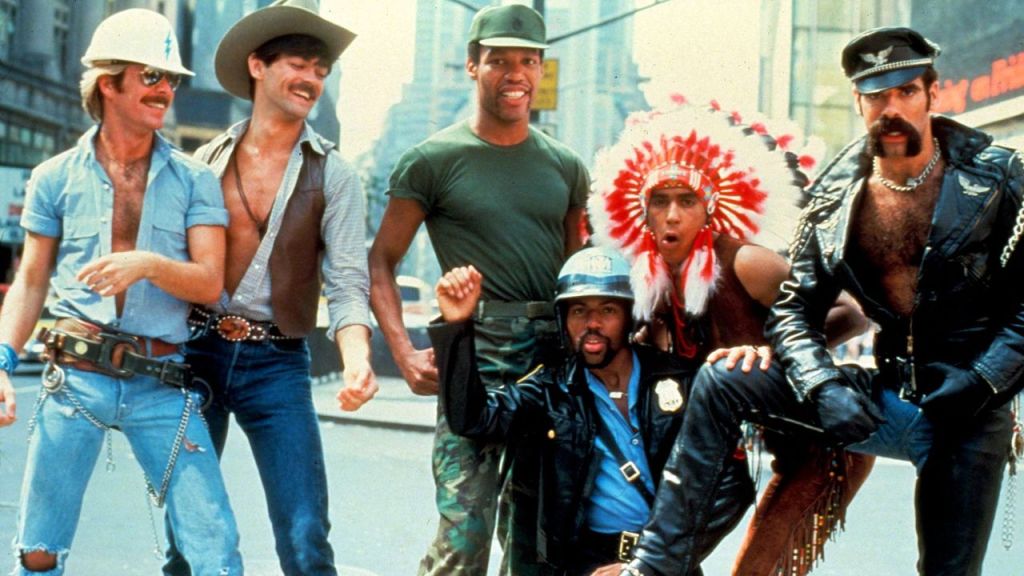
In the 70s, we used the word “foxy” because everyone was gay.
It seems to me that my generation (millennials) is a little self-important, and I’ve come to this conclusion because of our use of the word “journey.” It’s an epidemic.
So many people I know seem to be on some sort of journey and that word doesn’t seem quite fitting. It feels too grand. Are we really all on a journey?
Beyond its base definition, in a colloquial sense, a journey describes a major undertaking. It elicits imagery of climbing mountains and overcoming peril. One journeys to the center of the Earth, one journeys to the Arctic in an expedition, one journeys to Mordor.
Yet I regularly hear about people’s fitness journeys, mental health journeys, spiritual journeys…
Do you know who is actually on a spiritual journey? Kanye West.
Regardless of how you feel about that psycho, whatever he is on is certainly a journey.
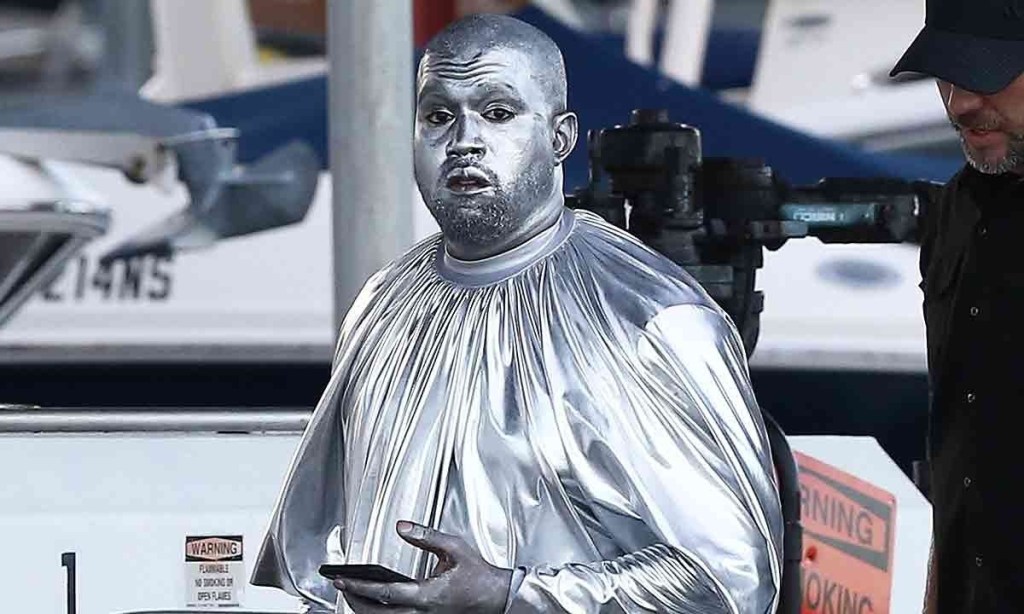
I just have a problem using the same word we would use to describe an inspirational story of an underprivileged youth achieving unimaginable success, to describe someone else completing an all-liquid cleanse. There’s just a logical inconsistency there that drives me crazy.
Martin Luther King was on a journey. Mother Theresa was on a journey. Ghandi was on a journey.
You’re not on a journey. You sell insurance. And that’s ok.
Most of us live perfectly adequate, completely normal, unspectacular lives, and I think that is why we use the word journey to describe minor accomplishments. It elevates our lives, it is a way of fooling ourselves into believing we are living a compelling narrative, it is how we cope with insignificance.
Because if we are honest with ourselves, can we really describe climbing Everest and getting bangs with the same word?

I think coming to terms with your insignificance is healthy. There’s nothing wrong with settling into the quiet comfort of life as an NPC. In fact, there’s virtue and safety in accepting that most of us are just that. We are the backdrop truly great people need to stand out.
Most of us need to accept that our lives are too unspectacular to qualify as a “journey,” most of us need to accept that our lives are more like a layover flight.
Listen, I know I should not be the one policing the English language. It is my second language after all, and if I had a penny for every time an American asked me to repeat what I said because they either did not understand my accent or because I butchered a pronunciation, I would have enough to afford a speech therapist – and maybe a Rosetta Stone course. But I think there’s something to practicing existential humility at the colloquial level.
There are so many ways to more precisely describe our lives, so why not use them?
Maybe instead of a journey, your taking pottery classes is more of a stroll of self-discovery.
Maybe you’re not on a dating journey, maybe you’re on an Uber ride of love.
Perhaps you’re on a healing journey, but perhaps it’s more like you’re on a lazy river of suicidal ideation.
The point is that if we are honest with ourselves, we know what a journey looks like, so let’s practice a little less self-importance and a little more self-awareness next time. And yes, I know how hypocritical that last sentence sounded in light of this rant. But hey, that’s my journey, isn’t it?
 Lando Writes Sometimes